
Migraines During Pregnancy: What to Know
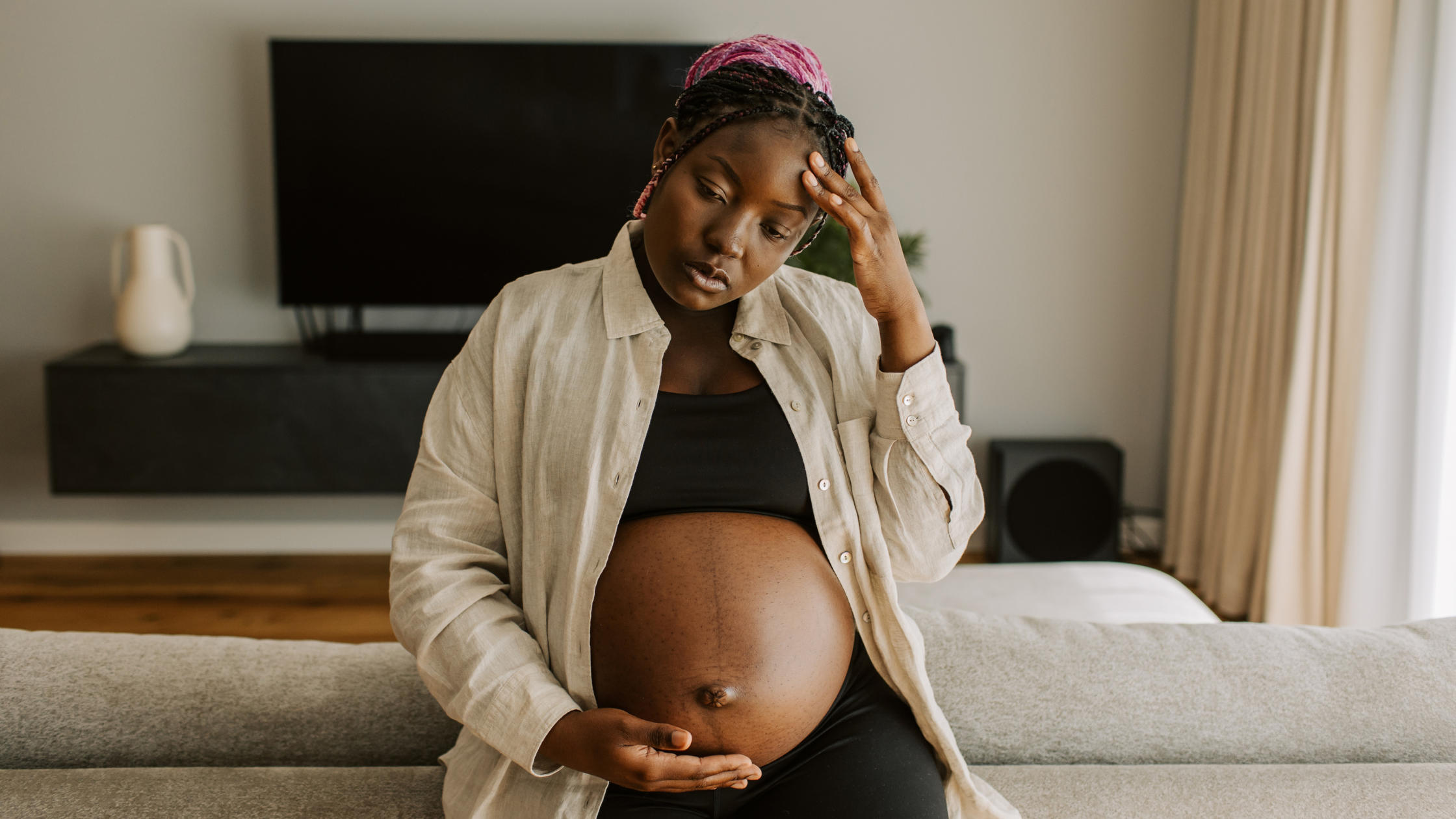
Pregnancy brings so many changes, and for some women, that includes shifts in how often or how intensely they experience migraines. If you’ve dealt with migraines before, you may be wondering what to expect now that you’re expecting. The good news is that many women find their migraines improve during pregnancy, especially in the second and third trimesters.
At Cheyenne OBGYN, we want you to feel informed and supported. Understanding how pregnancy affects migraines, what tends to trigger them, and when to reach out for help can ease your worries and help you feel more in control.
How Pregnancy Affects Migraines
Hormones play a major role in migraines, particularly estrogen. During pregnancy, estrogen levels rise and stay more stable than they do during your regular cycle. For many women, this steadiness brings real relief, and migraines may become less frequent as pregnancy progresses.
That said, every woman’s experience is unique. Some notice fewer migraines, while others, especially in the first trimester, may experience them more often as their bodies adjust. Nausea, fatigue, and changing hormone levels can all contribute during those early weeks.
Common Migraine Triggers
Knowing your personal triggers can make a big difference. While they vary from person to person, a few common ones tend to show up during pregnancy:
- Dehydration: Your body needs more water now, and not getting enough can spark a migraine.
- Skipped meals: Low blood sugar from missing meals or eating irregularly can typically make symptoms worse.
- Poor sleep: Restless nights and exhaustion can leave you more vulnerable.
- Stress: Emotional and physical stress often go hand in hand with migraine flare-ups.
- Caffeine changes: Cutting back too quickly can trigger withdrawal headaches.
Keeping a simple log of when your migraines happen can help you spot patterns and avoid triggers before they start.
When a Migraine May Be Concerning
Most migraines during pregnancy are uncomfortable but not dangerous. Still, it’s important to pay attention to your body and know when something feels different.
Reach out to your provider right away if you notice:
- A sudden, severe headache that feels unlike your usual migraines
- Blurred vision, spots, or other vision changes
- Swelling in your hands or face
- A headache paired with high blood pressure
These symptoms can sometimes point to a condition called preeclampsia, which needs prompt medical attention. If something feels off, it’s always worth a call.
Safe Ways to Find Relief
When a migraine strikes, you may feel limited in what you can do while pregnant. The good news is that several gentle, natural approaches can help.
Start by resting in a quiet, dark room and placing a cool compress on your forehead or neck. Staying hydrated and eating small, regular meals can prevent the dips that often lead to migraines. Light movement, like a short walk or gentle stretching, can also ease tension.
Before taking any medication, including over-the-counter options, check with your provider first. We can help you find safe, effective ways to manage your symptoms throughout your pregnancy.
We’re Here to Support You
Migraines during pregnancy can feel frustrating, but you don’t have to navigate them alone. At Cheyenne OBGYN, our priority is supporting your well-being at every stage of this journey.
If your migraines change, worsen, or simply leave you with questions, please call our office at 307-634-5216. We’re here to help you feel comfortable, confident, and cared for as you prepare to welcome your little one.