
Pelvic Health and Why It’s Important at Every Age
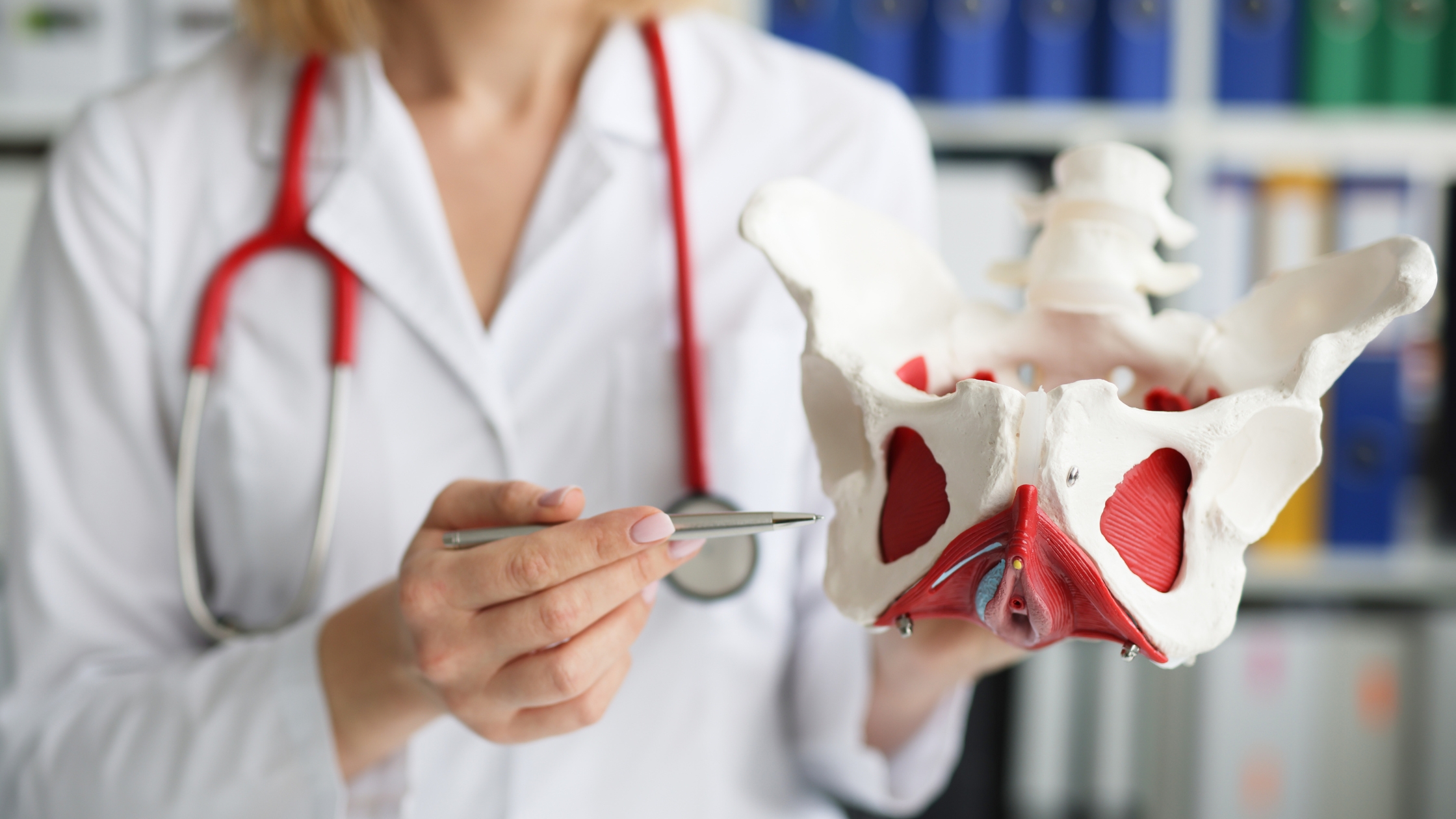
When was the last time you thought about your pelvic health? For many women, the answer is “not until something feels wrong.” Whether it’s occasional bladder leaks when you laugh, discomfort during exercise, or a feeling of pressure that wasn’t there before, pelvic floor changes are incredibly common but they’re not something you have to simply live with.
Your pelvic floor plays a vital role in supporting your bladder, bowel, and reproductive organs throughout every stage of life. From your teenage years to pregnancy, menopause, and beyond, these muscles work hard every day. Understanding how they change over time can help you recognize symptoms early and take steps to protect your long-term health.
Listening to What Your Body Is Telling You
Pelvic floor concerns don’t always look the same from one woman to the next. Some women notice urinary leakage when they sneeze or exercise, while others experience frequent urges to use the bathroom, constipation, pelvic pressure, lower back discomfort, or pain during intimacy.
It’s easy to assume these symptoms are simply part of getting older or something every woman experiences after having children. While pelvic floor changes are common, they aren’t something you should ignore. Talking with your healthcare provider can help identify the cause and open the door to treatments that improve both comfort and confidence.
How Pelvic Health Changes Throughout Life
Your pelvic floor is made up of muscles and connective tissues that support your bladder, uterus, and bowel. Like every other muscle in your body, it changes over time.
During adolescence and early adulthood, pelvic health can be influenced by athletics, chronic constipation, or conditions that cause pelvic pain. Pregnancy and childbirth place additional stress on these muscles as they stretch to support a growing baby and recover after delivery.
As women enter menopause, declining estrogen levels can affect the strength and elasticity of pelvic tissues. These natural hormonal changes may contribute to bladder control concerns, pelvic organ prolapse, or vaginal discomfort. Hormonal changes play an important role in pelvic floor and bladder health as women age.
The good news is that pelvic floor issues aren’t simply something you have to accept. There are treatment options and early intervention can lead to better outcomes.
Small Habits Can Make a Big Difference
Supporting your pelvic health doesn’t have to be complicated. Staying physically active, maintaining a healthy weight, drinking enough water, and avoiding chronic straining during bowel movements can all help reduce unnecessary pressure on your pelvic floor.
Pelvic floor exercises, often called Kegels may also help strengthen these important muscles and improve bladder control when performed correctly. If you’re unsure whether you’re doing them properly, your healthcare provider can offer guidance or recommend pelvic floor physical therapy if needed.
You Don’t Have to Live with Pelvic Discomfort
Pelvic health is an important part of your overall well-being, and you deserve to feel comfortable in your body at every age. Whether you’re recovering after childbirth, navigating menopause, or simply noticing changes that don’t feel quite right, you don’t have to figure it out alone.
At Cheyenne OBGYN, we’re committed to helping women feel informed, supported, and confident throughout every stage of life. If you’re experiencing pelvic discomfort, bladder concerns, or other changes that are affecting your quality of life, schedule an appointment with our team. Together, we’ll create a care plan that’s personalized to your needs so you can get back to feeling your best.